
Illinois DCFS Uses Augintel to Uncover Bias
The Office of Racial Equity Practice at DCFS could track investigations, placements, and permanency outcomes.
Learn how Maryland DHS uses AI to analyze the case notes their workforce was already writing →


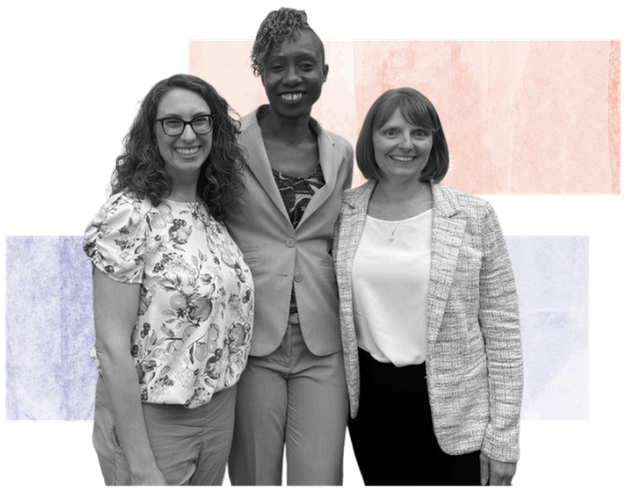

Last week, we attended the APHSA National Summit, where one theme came through repeatedly: now is the time for change. Throughout the agenda and in conversations with industry leaders, there was a clear message that innovative thinking and technology must help drive that change.
Nowhere is the opportunity greater than in child welfare. Better use of data can help agencies improve the quality of contact with families, identify social determinants affecting outcomes, monitor fidelity to practice, inform decisions, and identify trends and best practices. Ultimately, it can help agencies achieve better outcomes for children and families.
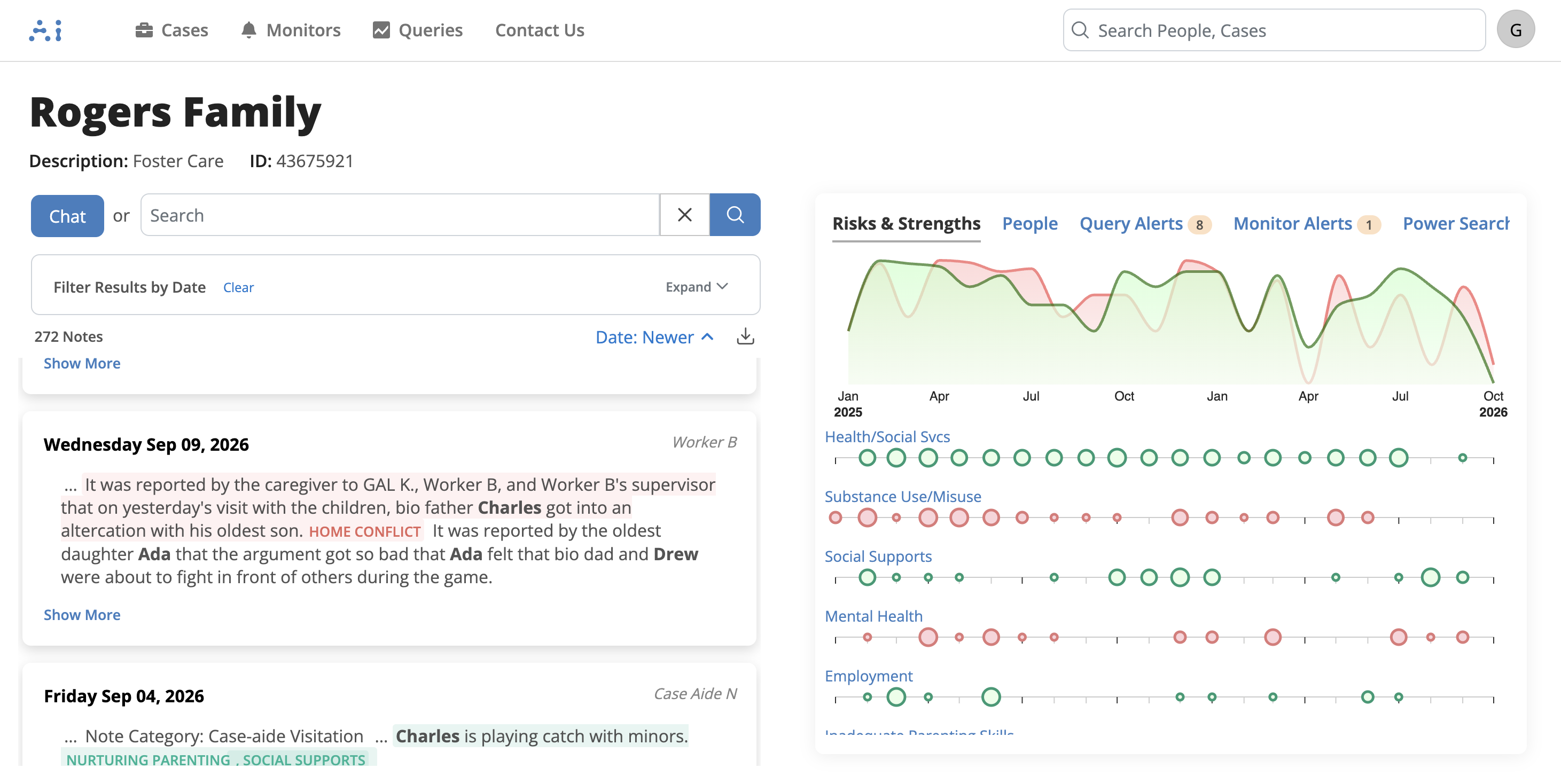
Becoming more data-driven requires more than analyzing the structured data already captured in agency systems. Case notes and other unstructured information contain critical context that is often difficult to access and use.
As Augintel customer Tracy Rohrdanz, Business Applications Analyst with Allegheny County DHS, put it:
"There is rich data in the notes. Those notes tell the story of that family."
A strategy for accessing and analyzing unstructured data should be part of every agency's approach to becoming more data-driven. Just as important, that information must be available to the people who need it, when they need it.
Child welfare professionals have long been burdened by cumbersome technology. Data access and usability must go hand in hand if agencies want to make meaningful progress.
Innovative thinking, enabling technology, and federal funding create an important opportunity to modernize state child welfare systems. The goal should be technology that helps caseworkers make better-informed decisions while making routine tasks easier and more efficient.
When agencies can put both structured and narrative data to work, caseworkers can spend less time searching for information and more time engaging with children and families. Agency leaders can also make decisions based on a more complete picture of the work happening across their systems.
That's the kind of change that matters.


Technology can surface information that might otherwise be difficult to find and help investigators build a more complete picture of a case.

Anyone who has worked in child welfare remembers certain children. I still think about a teenager I visited while he was living in a detention facility several hours away.

Maryland DHS used AI to review nearly 2,000 child welfare case files in 60 days. See what it found, how it worked and how to get started.




In child welfare, there’s no substitute for the judgment, experience, and dedication of caseworkers. We believe AI is a support tool – not a replacement – for that expertise. Our AI uses natural language processing to analyze case notes, identify patterns, and surface warning signs. All to help caseworkers better serve children and families.
© 2026 Augmented Intelligence Technologies, Inc.